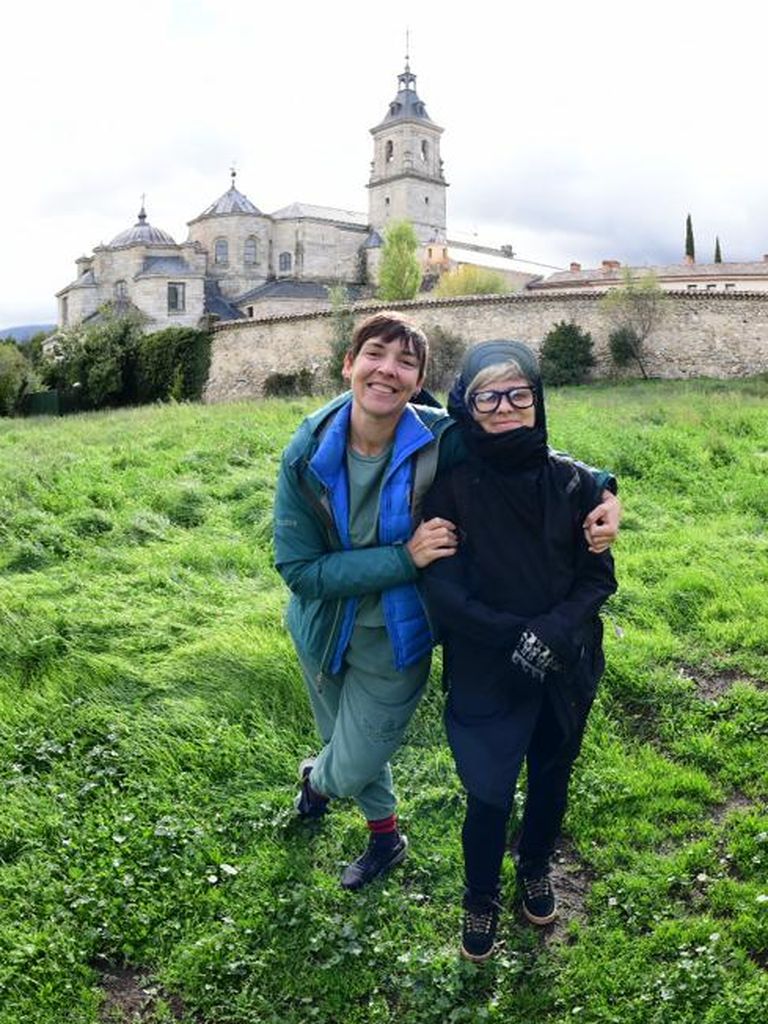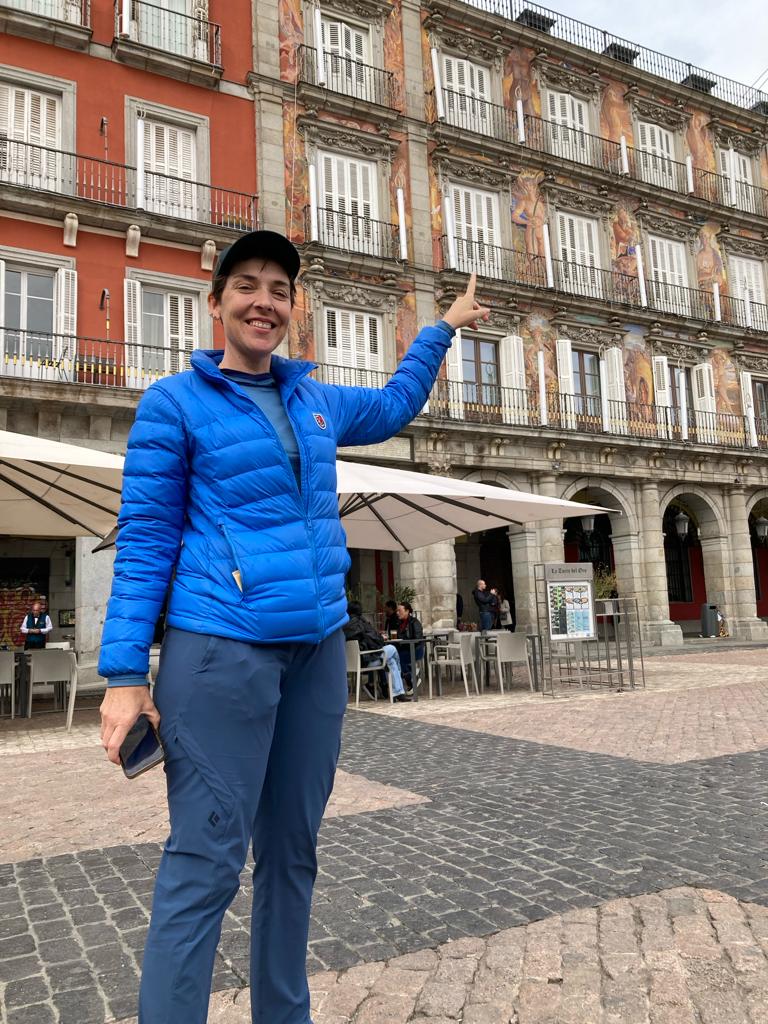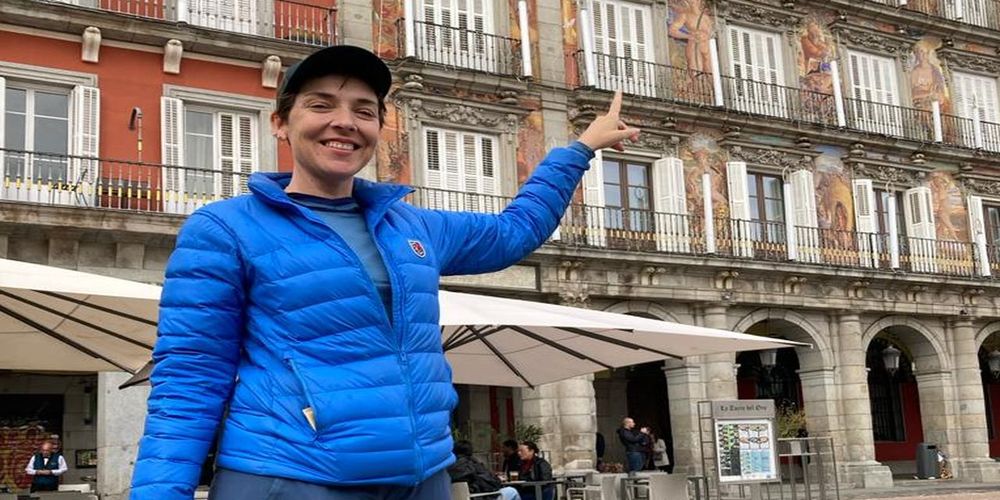
Location scout Miranda Carnessale visited the Madrid region during the international fam trip. Carnessale, a location manager with extensive experience in TV series working for Warner Bros., has worked on location assistance for the productions of «Barbie» and «Killers of the flower moon».
Film Madrid, in charge of promoting shoots in the Region of Madrid, have arranged a familiarisation trip with producers and location managers in the U.S. audiovisual industry to promote Madrid as a shooting location. Over four days, a delegation of location managers and producers from the USA, United Kingdom and Canada have been able to get acquainted first-hand with some of the most notable sites in the city and region.
Film Madrid had the opportunity to talk with Miranda Carnessale, location manager with extensive experience in TV series with works for Warner Bros Television, and key assistant location manager on one of last summer’s big hits Barbie (2023), as well as Martin Scorsese’s latest film, The Moon Killers (2023).
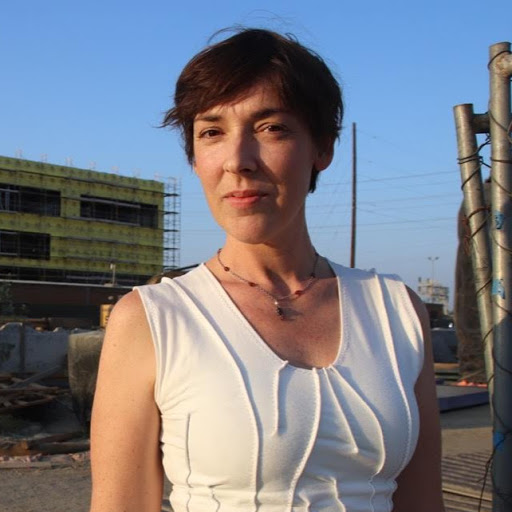
– Thank you for coming to Madrid, Mrs. Carnessale, and congratulations for your long career. Have you visited Madrid in any previous location? Have you worked for any production shot in Spain?
Thank you for having me! Although I have been to Madrid on holiday in the past, this is my first-time visiting Madrid to scout as a filming location. It was great to view it through the eyes of a Location Scout. I have not yet worked on any production in Spain.
– You worked as key assistant location manager on “Barbie” and “Killers of the Flower Moon”, what can you tell us about the experience of these last works now these films have been released all over the world?
My career started in episodic television and I spent many years working on series based in Los Angeles. Throughout this time however, developing my skills and establishing myself as a reliable Location Scout has driven me to pursue more creative projects. I feel incredibly fortunate to have the opportunity to contribute creatively to both of these projects. Seeing some of these locations I worked on up on the screen fortifies my drive to continue on this path scouting and managing these types of projects.
– What has been your impression of the fam trip? Any location has caught your attention in particular?
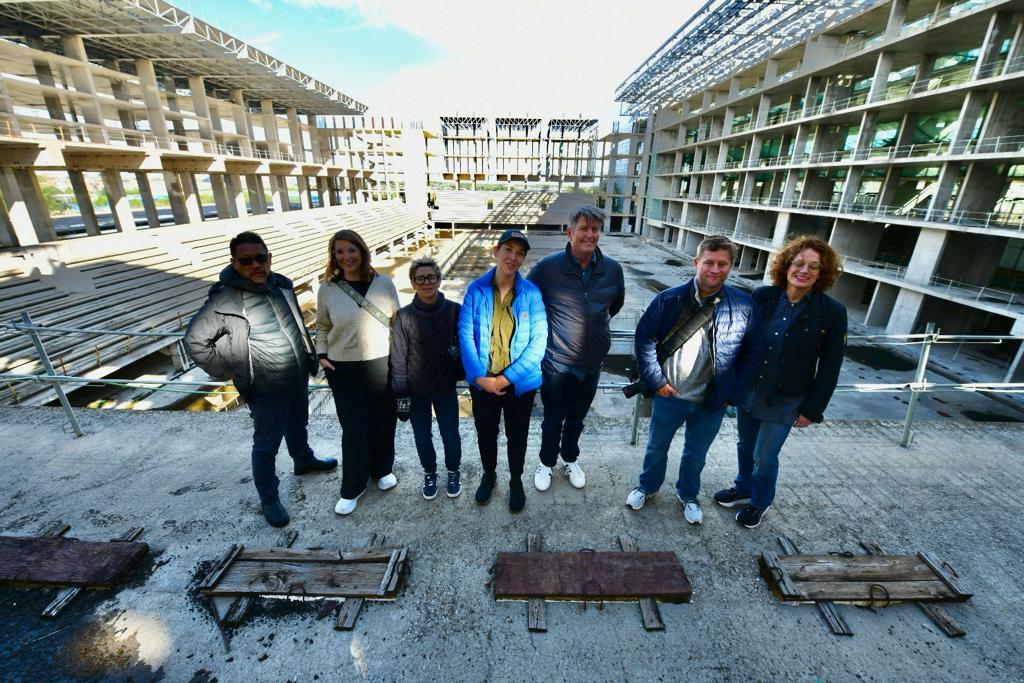
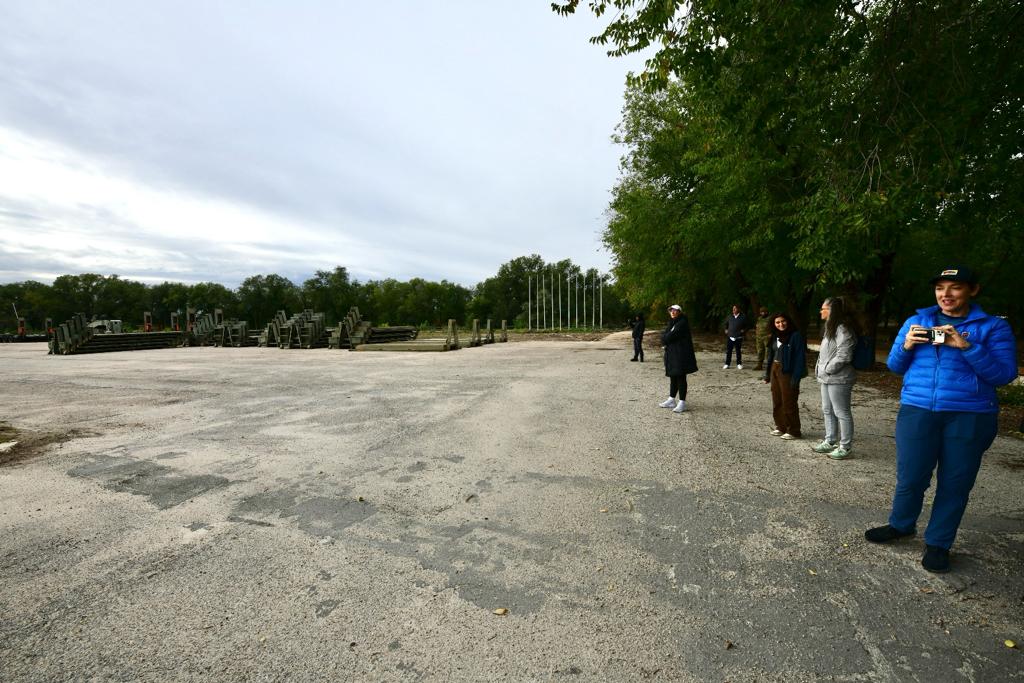
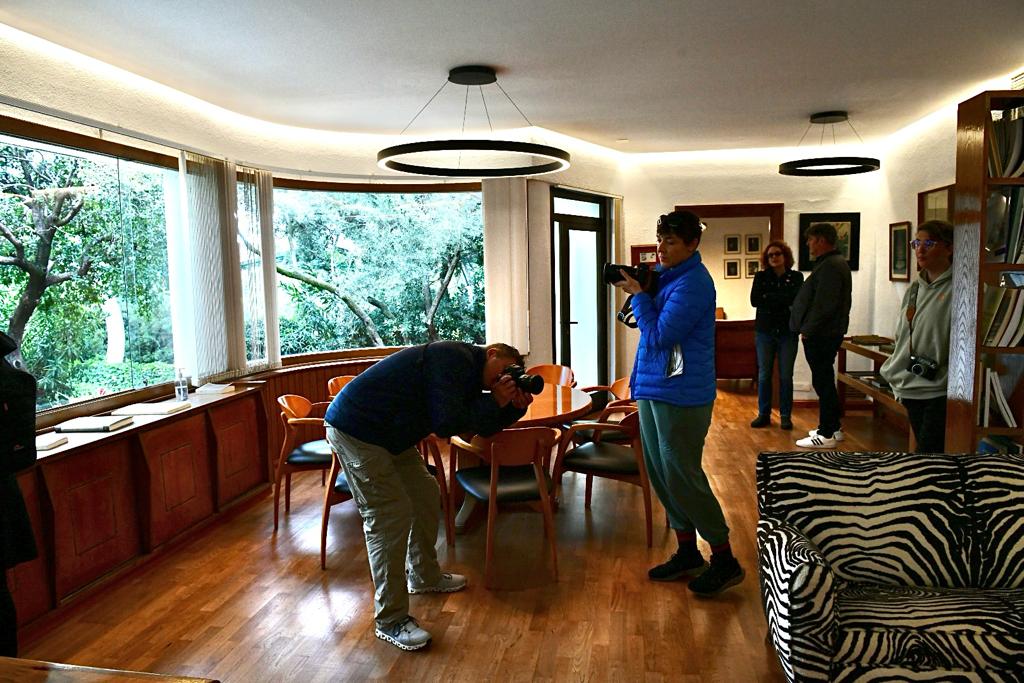
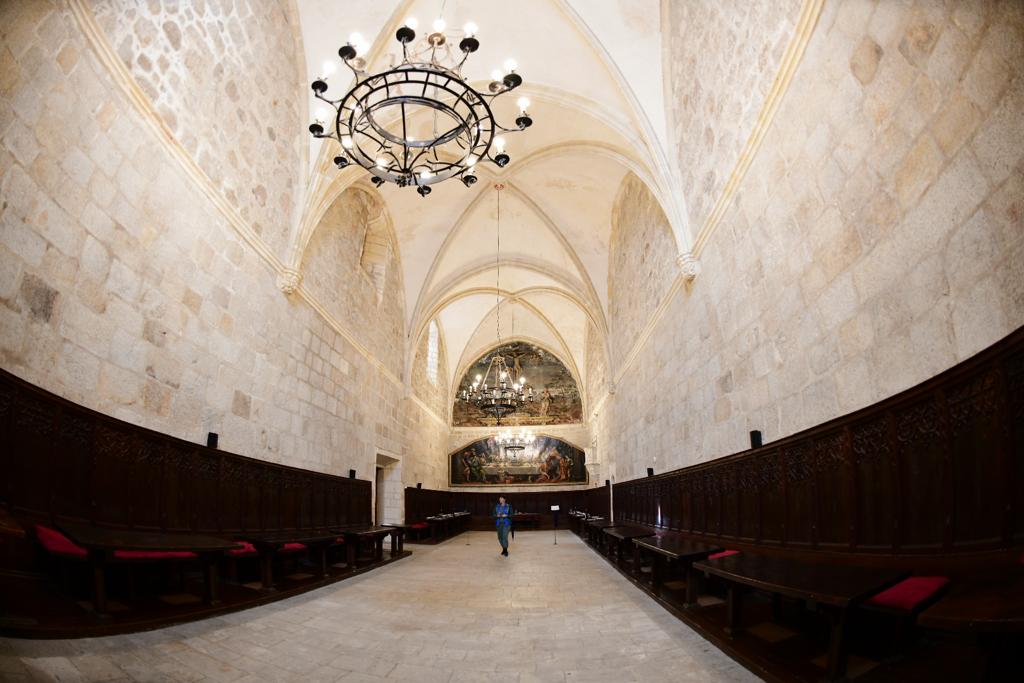
The fam trip was very well thought out and balanced. I thought we were given a little bit of everything, from the traditional filmable palace, to that very versatile monastery with multiple looks and functions, to my favorite location, the abandoned Olympic stadium, which was a visual feast any writer/director would be inspired to write a scene for.
– In your view, are the locations in Madrid really known by the major American studios?
Not having as much direct contact with studio executives I’m not sure I’m the best person to give opinion, but I have heard whispers that Spain is becoming known for being a friendly, economical option for overseas productions. I think that by hosting the tour each year your reputation will be elevated in the filmmaking world as a viable destination.
– In your opinion, what would be the main factors for a major US production to shoot in Spain, and more specifically in Madrid?
The number one draw is going to be tax incentives, which in this market is going to have you competing with other cities and countries globally. Next will be location variety and film friendliness, you have a lot of different looks (cities, countryside, forest, rural roads, different architectural periods and styles, etc) and that there is a path to permitting these places. Lastly, the quality that could be the deciding factor between you and another international city is your equipment and crew base. Madrid seems to pride itself in cultivating a large and competent workforce in the film industry and I could see that tipping the scale in your favor.
– Spain has implemented improvements in tax incentives, by the impulse of the institutional plan “Spain, Audiovisual Hub of Europe » in the last three years; could be the decisive reason for attracting more filming from the USA?
As I stated before, tax incentives are the number one driving force for film productions when making the decision of where to film, so increasing your program should absolutely attract my filming from the USA.
– What do you think about Film Commissions and Film Offices? Do you make use of these offices in your localization work? Any experience in Europe or Spain?
A good film commission/film office is an indispensable resource for my work as a Location Manager and Location Scout. I have worked with different commissions and a strong film office will always influence my recommendation to a production on where to shoot. Producers want to know that there will be lots of hands-on support with the local film offices and always is a major driver in their choice of where to film.
– As a Film Commission we have a lot of contact with location managers, professional associations and junior profiles that want to enter the profession, we would like to know more about your work method. So how did you originally become a location manager?
In the US at least, Locations is a job that most of us fall into. It’s not generally pursued by aspiring students, they usually want to be producers, designers, writers, directors, DPs, but not Location Scouts. I think it’s more popular now than when I started my career 15 years ago. I was offered my first job by a friend of a friend and thought it sounded interesting and the money appealing. I had no idea how rewarding a career in it would be.
– How do you choose locations for the shows? Do you work with the producer and the director to figure out the kinds of places they want?
The first thing I do is read the script and break it down. There are usually scene descriptions with stylistic features, plus blocking in the action that determines certain features the location will need. Next, we talk to the production designer to get their opinion on stylistic features, which is the cornerstone of any initial research I do before the physical scouting. Once locations are vetted by the designer, as well as the line producer if budget and logistics might come into play, we then present to the director. There are also certain productions or certain locations, frequently natural landscapes, where the Director of Photography has more influence or input on the location we choose. Understanding the different aesthetic and logistical needs of each department head is crucial to finding the right location.
– Do you draw heavily on your location portfolio, or do you like to start projects from scratch in search of new locations?
I think they are equally important and it really depends on the situation. I think a personal portfolio is the jumping off point for research and inspiration, but a good scout will always want to push for new ideas and go outside of the expected.
– When finding locations, what are some of the least obvious things you look out for to make sure the site is best for filming?
Access is the number one consideration. You can find the most incredible place in the world but if you can’t get the equipment, you need there, it wont work. Sometimes you can compromise on the size of your footprint but there’s got to be a place to park your vehicles and set the camera, lights, and stands.
– What’s your favorite thing about the job? And which production has been your best working experience?
My favorite thing about the job is that it always keeps me learning, exploring, and growing as a person and employee. It keeps me rugged and durable, I go everywhere and have to meet people at their level, working with people of all cultures and socio-economic backgrounds.
– What advice do you have for someone wanting to get into location management?
Reach out to some location scouts or managers in your area and tell them you’re all about it. I think locations is a realistic occupation to break into if you really want it, so go after it!